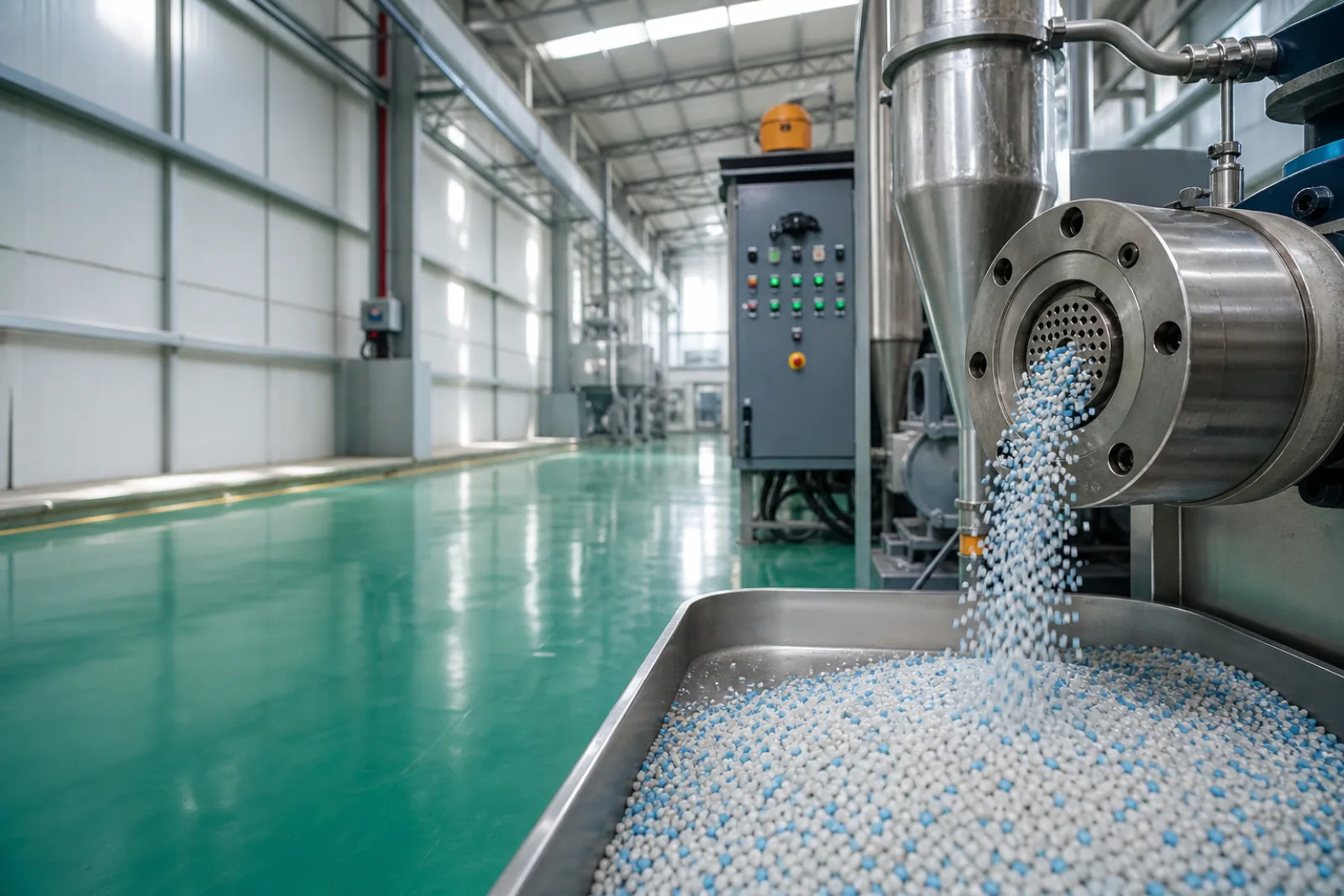
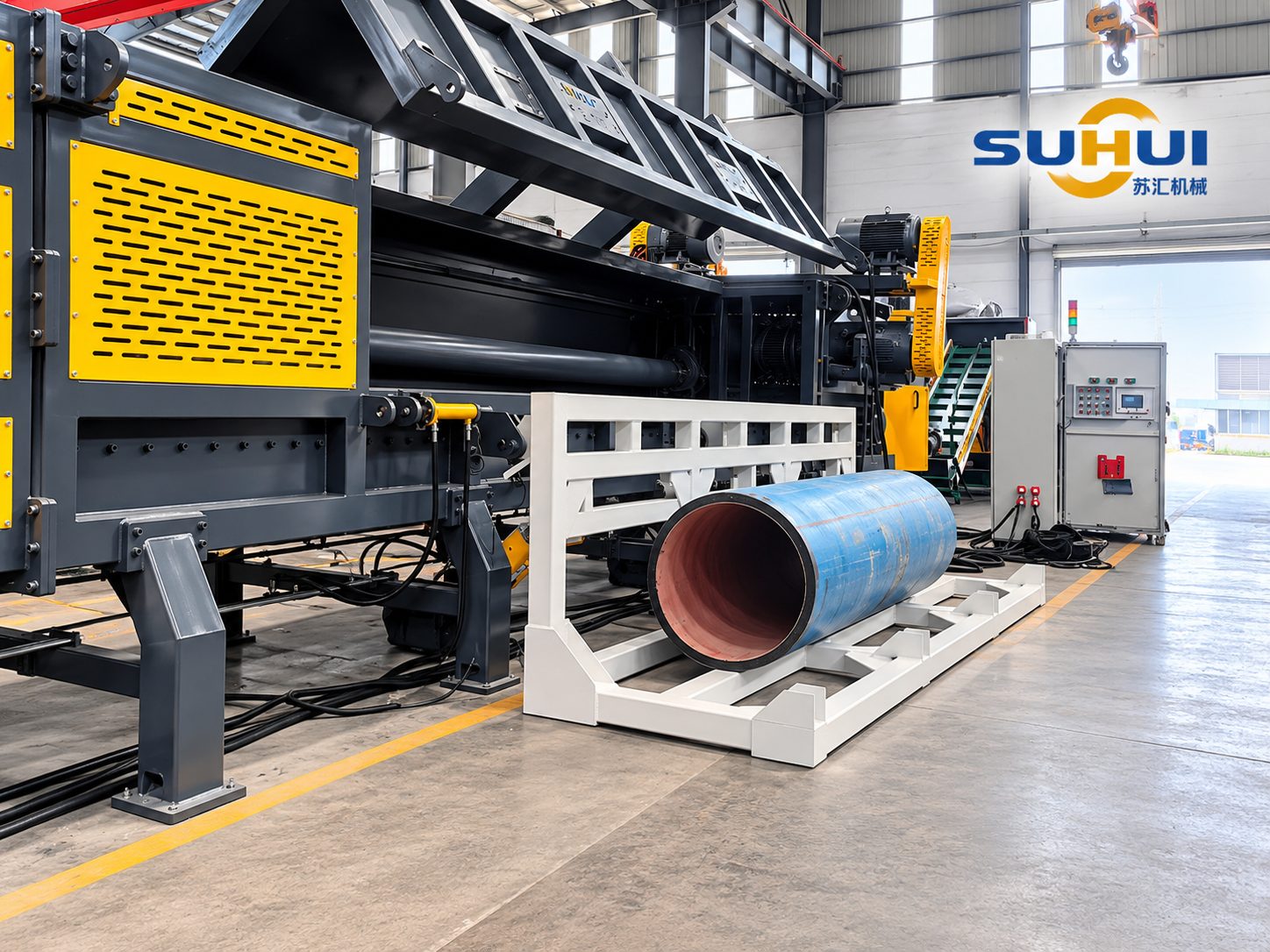
Recycling HDPE pipes requires more than simply reducing plastic waste into smaller pieces. Pipe diameter, wall thickness, length, material condition and downstream processing requirements all influence the selection of suitable shredding equipment.
A shredder designed for relatively small plastic scrap may not be suitable for long, thick-walled or large-diameter HDPE pipes. Choosing the wrong machine can lead to feeding difficulties, frequent interruptions, inconsistent output and unnecessary operating costs.
This guide explains the main factors to consider when selecting an HDPE pipe shredder for an industrial recycling operation.
1. Why Large-Diameter HDPE Pipes Need Specialized Shredding Equipment
HDPE pipes are widely used in water supply, drainage, gas distribution and industrial piping systems. During manufacturing, installation and replacement, rejected pipes, offcuts and used sections can become valuable recycling feedstock.
However, their physical characteristics create specific size-reduction challenges.
Unlike flat plastic sheets or small injection-molding scrap, HDPE pipes may be:
- Long and difficult to position in a conventional feed opening.
- Large in diameter, requiring sufficient feeding space.
- Thick-walled, increasing the cutting load.
- Hollow and curved, making stable material engagement more difficult.
- Mixed in diameter and wall thickness, resulting in variable operating conditions.
For these reasons, a large-diameter pipe shredder should be selected according to the actual pipe specifications rather than motor power alone.
2. Pipe Diameter and Wall Thickness: The First Selection Factors
Before choosing an HDPE pipe shredding machine, identify the maximum pipe diameter and wall thickness that the equipment will process.
Pipe Diameter
Pipe diameter directly affects the feeding arrangement, cutting chamber dimensions and machine configuration.
For example, a recycling facility handling small pipe offcuts has different equipment requirements from a facility processing long, large-diameter water or drainage pipes.
SUHUI offers HDPE pipe shredding solutions with a standard configuration designed for pipe diameters up to 1,200 mm, subject to the pipe’s wall thickness, length and operating conditions.
The maximum diameter alone does not determine whether a particular pipe can be processed efficiently. The complete material specification must be reviewed.
Wall Thickness
Two pipes with the same outside diameter can behave very differently during shredding.
A thin-walled pipe may deform more readily under cutting pressure, while a thick-walled pipe can require greater cutting force and a more robust machine configuration.
When requesting a quotation, provide both the outside diameter and wall thickness rather than diameter alone.
Pipe Length
Pipe length influences the feeding method and the space required around the machine.
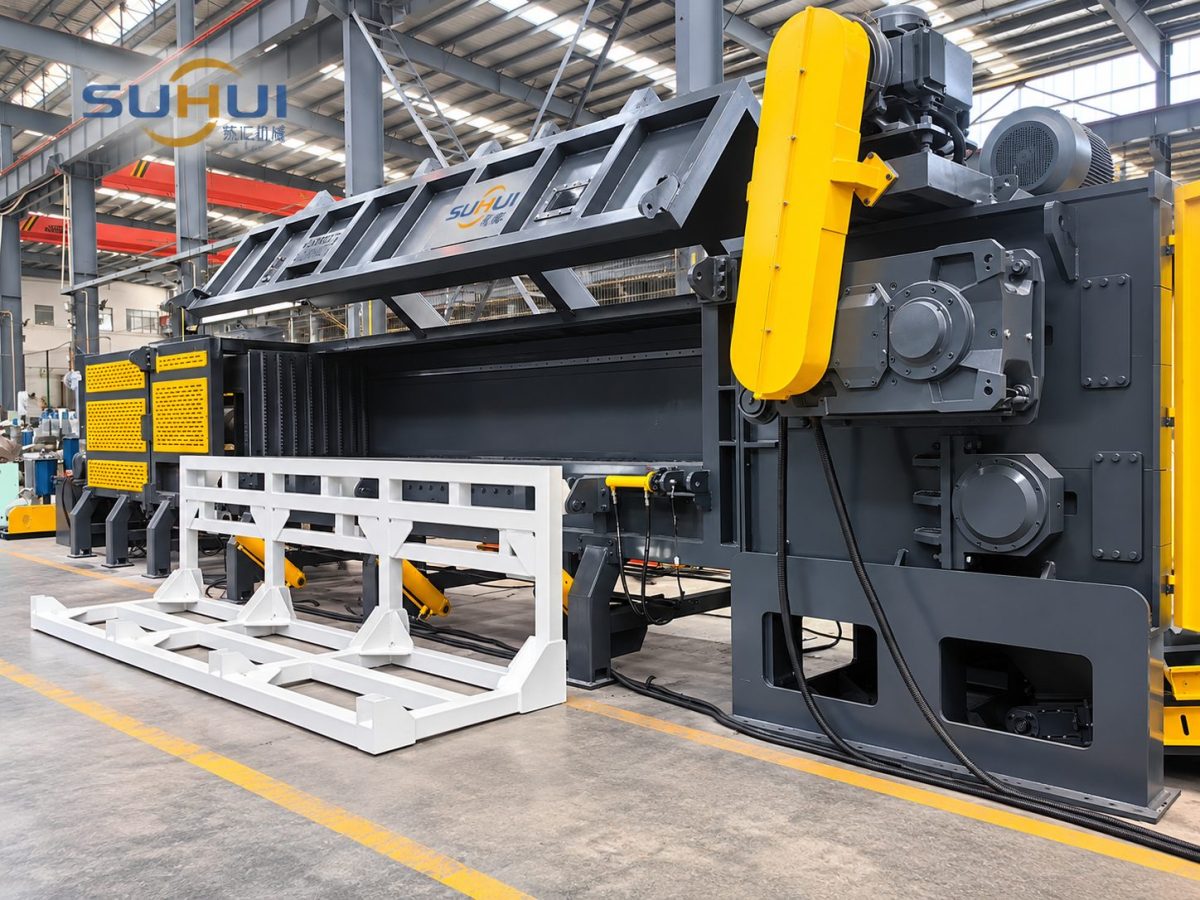
Long pipe sections may need a dedicated feeding arrangement, while shorter offcuts may be easier to handle using a different configuration.
The appropriate feeding system should be confirmed before the equipment layout is finalized.
3. Choosing the Right Feeding and Cutting System
A suitable HDPE pipe shredder must combine reliable material feeding with an appropriate cutting system.
Feeding Arrangement
The feeding arrangement should allow operators to load pipes safely and consistently.
Depending on the pipe dimensions and equipment design, a pipe shredding system may incorporate specialized feeding structures, hydraulic assistance or other mechanisms to control how material enters the cutting chamber.
The objective is to maintain stable feeding without unnecessary manual intervention.
Rotor and Cutting Tools
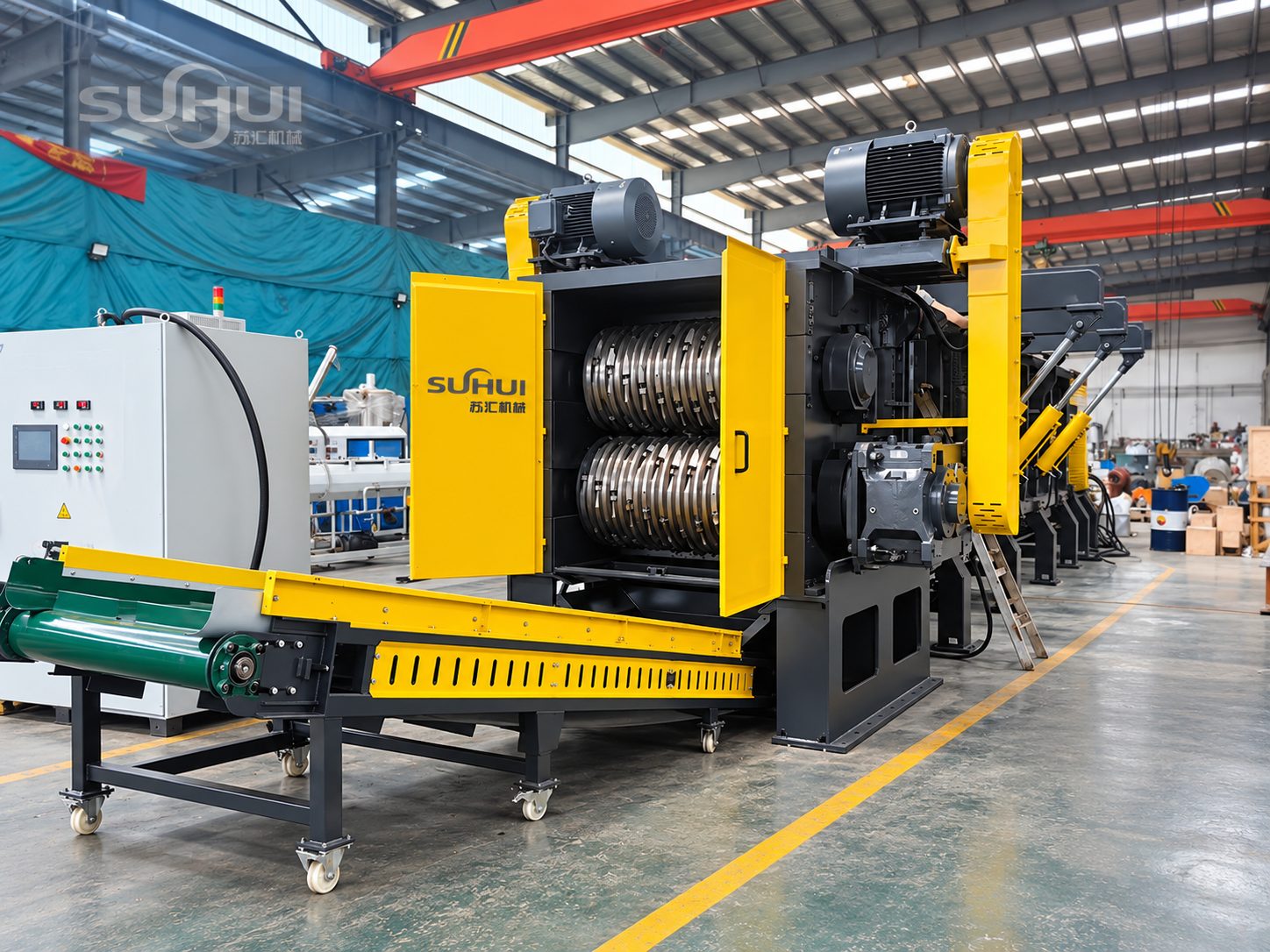
The rotor design, cutting tool geometry and knife arrangement influence how the shredder engages the pipe.
Important considerations include:
- Cutting force for the expected wall thickness.
- Knife material and wear resistance.
- Maintenance access and knife replacement.
- Resistance to jamming under variable material loads.
- Compatibility with the required output characteristics.
The correct configuration depends on the material and operating conditions. A higher installed motor power rating does not automatically mean better shredding performance.
Torque and Operating Stability
Large or thick-walled pipes can create significant resistance during cutting.
The drive system should therefore be selected to provide suitable torque and stable operation under the intended load.
When comparing quotations, ask suppliers how the proposed machine handles difficult feeding conditions and what protective functions are included.
4. How to Match Shredder Capacity to Your Recycling Line
Throughput is commonly expressed in kilograms per hour (kg/h), but a quoted capacity should always be considered together with the material being processed.
Actual throughput can vary depending on:
- Pipe outside diameter and wall thickness.
- Pipe length and loading method.
- Material density and condition.
- Cutting system configuration.
- Target discharge size.
- Feeding consistency and operating practices.
A shredder that processes small, relatively thin-walled pipe offcuts efficiently may achieve a different throughput when handling large, thick-walled sections.
For a complete recycling line, the shredder should also be matched to downstream equipment.
If the downstream crusher, washing system or extrusion line has a lower practical capacity, selecting a substantially larger shredder may not improve the overall production rate.
Practical recommendation: Request a capacity assessment based on representative pipe samples and the intended operating conditions rather than relying on a general catalogue figure.
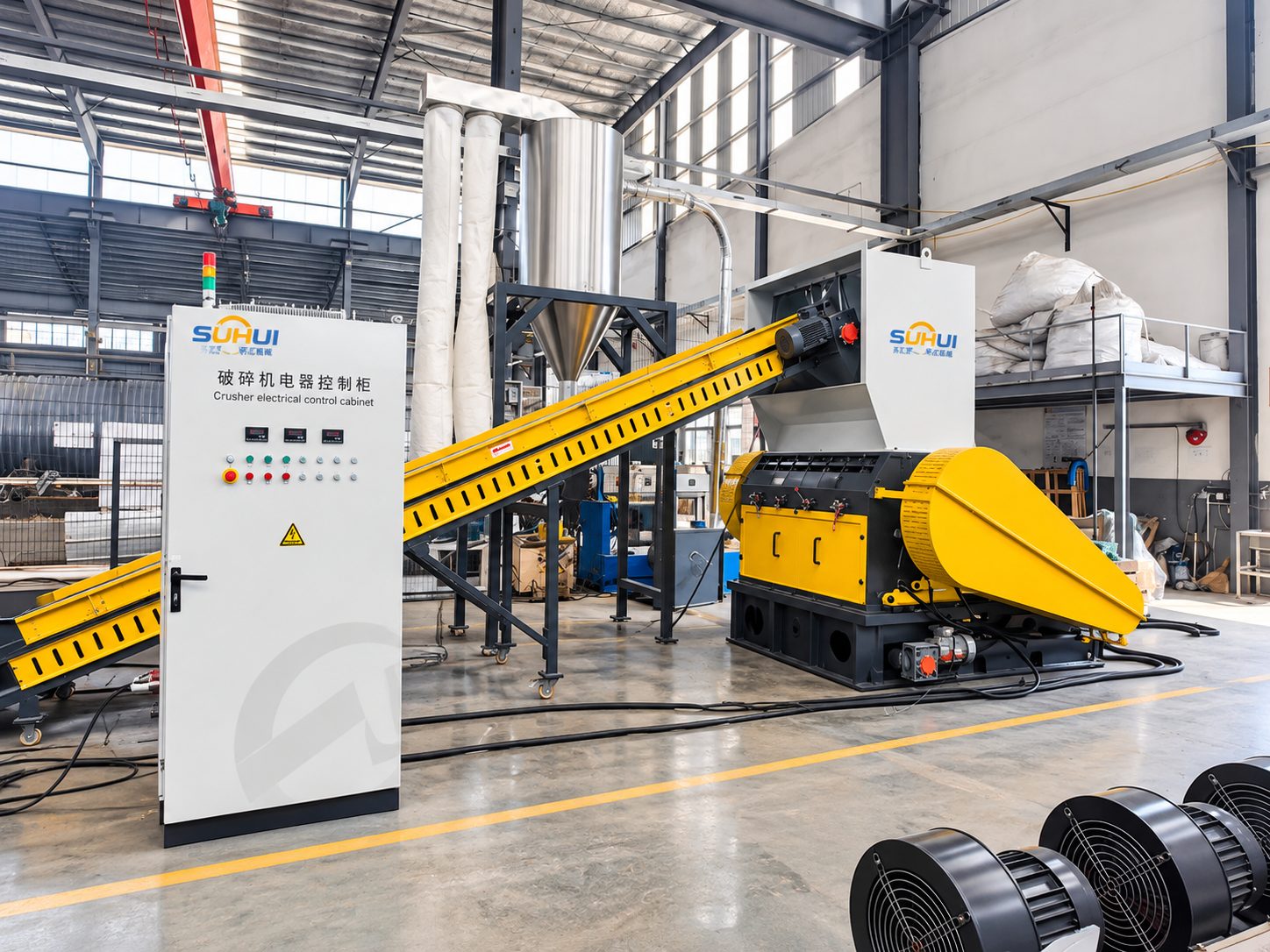
5. What Output Size Do You Need?
The required shredded material size depends on what happens after the first size-reduction stage.
Shredding Before Secondary Crushing
In many pipe recycling systems, the shredder performs primary size reduction.
The resulting pieces are then transferred to a secondary crusher or granulator for further reduction.
In this arrangement, the primary shredder does not necessarily need to produce the final particle size required for extrusion.
Shredding Before Washing
If the material will enter a washing line, the discharge size should be compatible with the downstream conveying, crushing and washing equipment.
The entire process should be considered when specifying the shredder.
Shredding Before Pelletizing
When the final objective is recycled HDPE pellets, the material typically requires additional size reduction, cleaning or other preparation as appropriate, followed by controlled feeding into the extrusion system.
A shredder alone does not replace the other processing stages.
For a broader overview, read SUHUI’s guide to the plastic pipe recycling process.
6. Common Mistakes When Buying an HDPE Pipe Shredder
Mistake 1: Choosing Based Only on Motor Power
Motor power is important, but it is only one part of the machine specification.
Cutting chamber geometry, rotor design, torque, feeding arrangement and control functions must also match the application.
Mistake 2: Ignoring Pipe Wall Thickness
A supplier cannot accurately assess every application from pipe diameter alone.
Wall thickness is particularly important for heavy-duty pipe recycling.
Mistake 3: Assuming Maximum Diameter Equals Maximum Capacity
A machine’s maximum accepted pipe diameter does not mean it will process every pipe of that diameter at the same throughput.
Material characteristics and operating conditions still matter.
Mistake 4: Overlooking Downstream Equipment
The shredder should be selected as part of the recycling process, not as an isolated machine.
An unsuitable discharge size or poorly matched production capacity can create problems further down the line.
Mistake 5: Failing to Plan for Maintenance
Knife inspection, replacement access, cleaning and wear-part availability affect long-term operating costs.
Maintenance requirements should be discussed before purchasing.
7. HDPE Pipe Shredder Buyer Checklist
Before requesting a quotation, prepare the following information:
| Information | What to Provide |
|---|---|
| Plastic material | HDPE, or any other material present |
| Maximum pipe diameter | Outside diameter in mm |
| Pipe wall thickness | Minimum and maximum thickness in mm |
| Pipe length | Typical and maximum length |
| Material condition | Clean production scrap, post-consumer pipes or mixed material |
| Required throughput | Target capacity in kg/h |
| Required output | Approximate discharge size or next processing stage |
| Feeding conditions | Available space, loading method and material handling requirements |
| Final recycling objective | Crushing, washing, pelletizing or another application |
Providing these details allows the equipment supplier to evaluate a more suitable machine configuration.
If possible, also send photographs or videos of the actual pipes.
8. Frequently Asked Questions
What is an HDPE pipe shredder?
An HDPE pipe shredder is an industrial size-reduction machine used to cut HDPE pipe scrap into smaller pieces for subsequent recycling or material handling.
Can an HDPE pipe shredder process 1,200 mm diameter pipes?
SUHUI offers a standard HDPE pipe shredding configuration designed for pipe diameters up to 1,200 mm. Suitability for a specific pipe depends on its wall thickness, length and other operating conditions.
Is a shredder or crusher better for HDPE pipes?
A shredder is often suitable for primary size reduction of large or difficult-to-feed pipe sections. A crusher or granulator may then be used to achieve a smaller output size. The appropriate arrangement depends on the pipe dimensions and final processing requirements.
Does thicker HDPE pipe require a different shredder?
Thicker pipe walls can increase cutting resistance. The machine’s cutting system, torque and feeding configuration should be evaluated for the actual wall thickness.
Can one shredder process different pipe diameters?
A suitably configured shredder may process a range of pipe diameters. However, the permitted dimensions and expected throughput should be confirmed with the manufacturer.
What information is needed for an HDPE pipe shredder quotation?
The most useful information includes pipe diameter, wall thickness, length, material condition, required throughput and the next processing stage. Photos or videos are also helpful.
9. Get an HDPE Pipe Shredding Solution from SUHUI
Choosing the right HDPE pipe shredder starts with understanding the actual material rather than comparing machine specifications in isolation.
SUHUI provides plastic size-reduction equipment for recycling applications, including solutions for large-diameter HDPE pipe scrap.
For a suitable equipment recommendation, share your pipe dimensions, target capacity and downstream processing requirements with our team.
Explore our equipment:
Need an HDPE pipe shredding solution? Contact SUHUI with your pipe diameter, wall thickness, required capacity and target output size to receive a tailored equipment recommendation and quotation.
Tem um material que precisa processar?
Envie o polímero, em que forma ele chega e a produção desejada. Retornamos com uma configuração de linha e uma faixa de orçamento realista.